Many Great Lakes steelhead anglers fish 4 lb, 6 lb, or 8 lb leaders. Light line reduces hook-set power because stretch absorbs energy. A razor-sharp hook compensates for that by penetrating with less force. This becomes especially important
winter steelhead fishing, cold water conditions, low clear water, and pressured fisheries.
Sharp Hooks Increase Landing Percentage. A sharp hook doesn’t just help hook fish — it helps KEEP fish hooked.
Steelhead are famous for violent head shakes, aerial jumps, downstream runs, and rolling in current. A properly penetrated hook buries deeper and holds better during chaos.
When steelhead fishing gets tough, anglers often blame water color, bait choice, leader size, or fishing pressure. But one of the biggest reasons anglers miss bites is surprisingly simple: dull hooks.
In Great Lakes steelhead fishing, hook sharpness can be the difference between landing chrome and watching your float bury with nothing connected. Whether you’re drifting spawn bags, beads, jigs, worms, or flies, razor-sharp hooks dramatically improve hook
penetration and landing percentage.
Why Sharp Hooks Matter for Steelhead. These fish have hard mouths, especially larger migratory fish that have already traveled
miles upstream. In cold water conditions, bites are often subtle. Often, the fish simply mouths the bait rather than crushing it.
A sharp hook:
- Penetrates faster
- Improves hookup percentage
- Sticks fish on light line setups
- Helps land pressured steelhead
A dull hook may still “grab” skin temporarily, but it often fails to penetrate fully. That leads to lost fish, short strikes, or steelhead throwing the hook during jumps. The Reality of Great Lakes River Conditions: Great Lakes tributaries are brutal on hooks.
Every drift across rocks, shale, gravel, zebra mussels, wood, concrete, or ice can quickly dull a hook point. Many anglers fish an entire day with the same hook without checking the point once. Meanwhile, experienced steelheaders constantly inspect and touch up hooks throughout the day.
The Fingernail Test. One of the easiest ways to check hook sharpness is the fingernail test. - Lightly place the hook point against your thumbnail at an angle.
- A sharp hook:
- grabs immediately
- digs in
- does not slide
A dull hook: - skates across the nail
- slips
- feels rounded
Chemically Sharpened Hooks vs Hand-Sharpened Hooks Most modern steelhead hooks today are chemically sharpened from the factory. They are excellent out of the package, but they still dull quickly after fishing rocks and current seams.
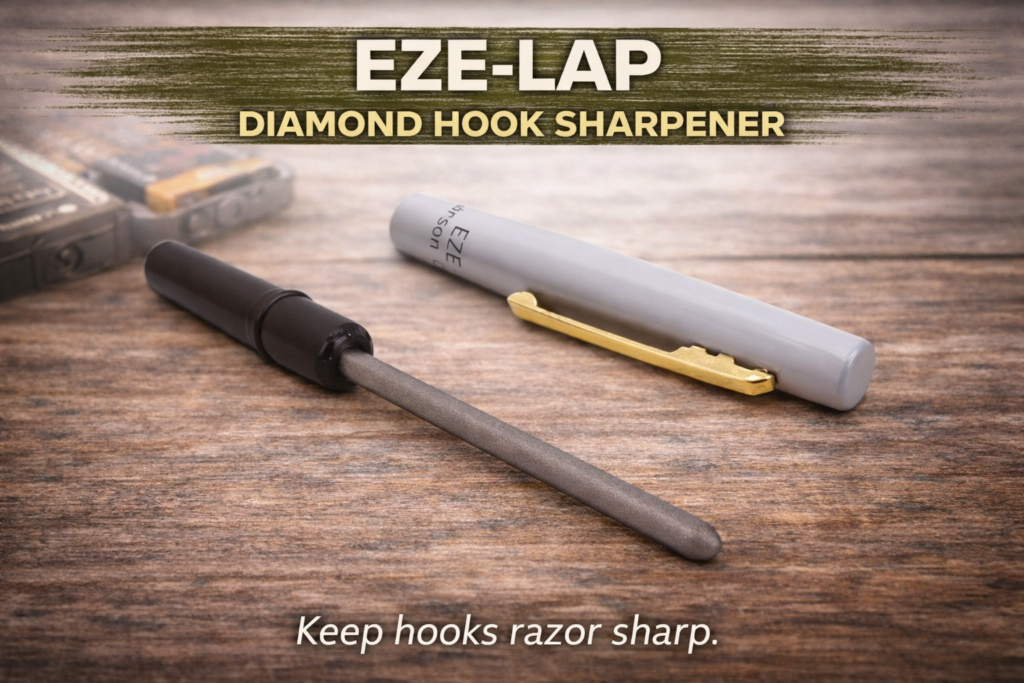
Many veteran steelhead anglers carry hook files, diamond sharpeners, or replacement hooks at all times. Touching up a hook takes seconds and can completely change your day. Best Hook Styles for Steelhead Fishing Popular steelhead hook setups include: - Octopus hooks
- Bead hooks
- Jig hooks
- Siwash hooks
- Egg hooks
- Single hooks for spinner conversions
The best steelhead hooks combine ultra-sharp points, strong wire, good gap width, and
reliable penetration.
How Often Should You Sharpen Hooks?
You should check your hook: - after every fish
- after every snag
- after dragging bottom heavily
- anytime your drift contacts rocks repeatedly
Serious steelhead anglers may sharpen or replace hooks dozens of times during a long day on the river. Final Thoughts on Steelhead Hook Sharpness Steelhead anglers obsess over bead color, leader size, float selection, scent, and water clarity. But none of that matters if your hook cannot penetrate. Sharp hooks are one of the cheapest and most overlooked advantages in steelhead fishing.
The next time the bite gets tough, don’t immediately change your bait. Check your hook first. Because sharp hooks catch more steelhead.
Roger Hinchcliff